top of page


2019
TUNG CHUNG PRIZE
ASSIMILATOR
HSIEN-YU CHENG
2020/06/06 - 08/02

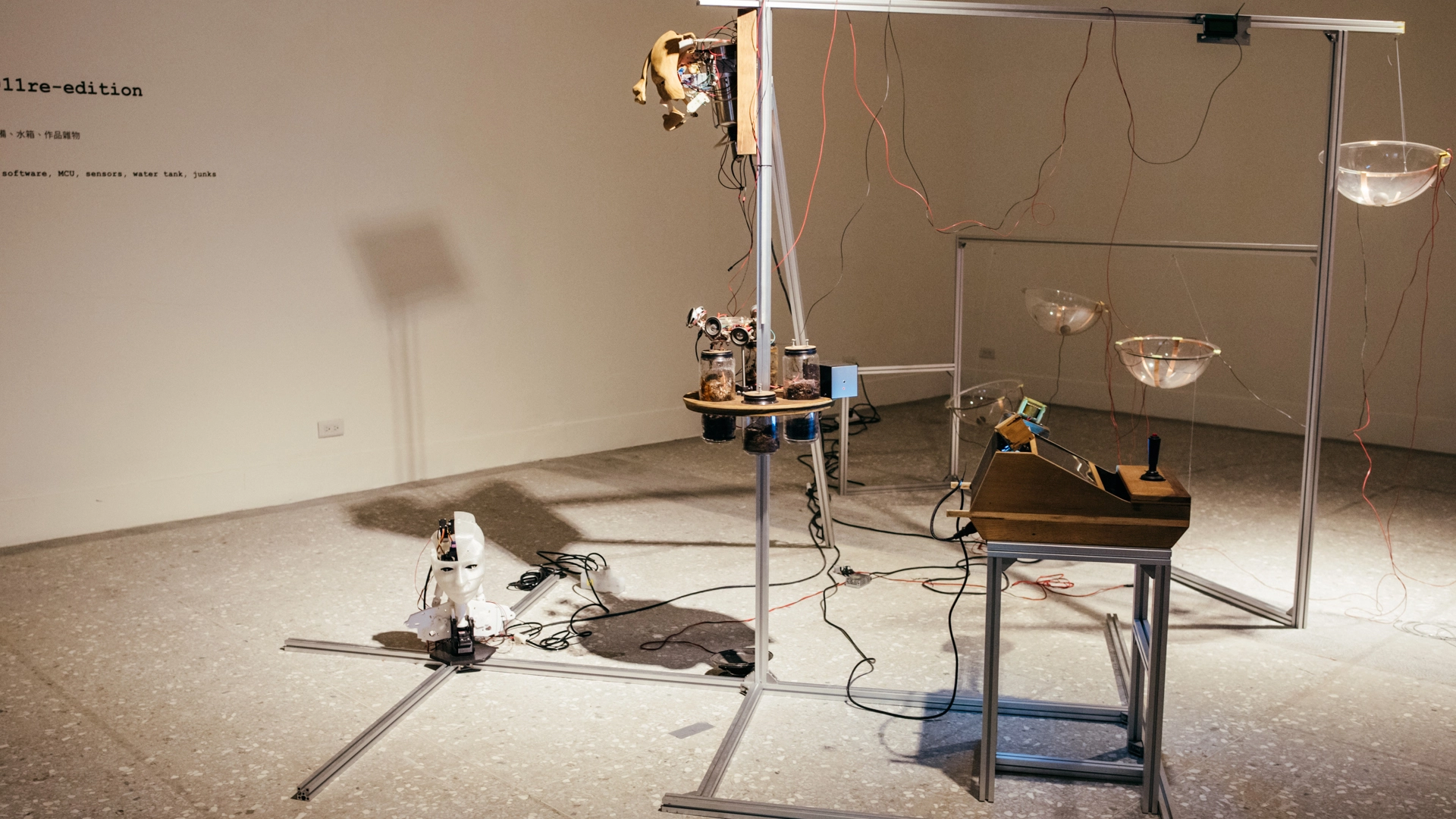
Assimilator seeks to explore the impact of the globalization of the internet on human life under the framework of modern technology. When human beings lose their autonomy under the domination of digital technology, do they still retain the ability to ‘think’ and ‘imagine’ during the process of assimilation? The artist Hsien-Yu Cheng has long been concerned with exploring behavioral phenomena, emotional intelligence and psychological responses derived from technological interaction. His works provide alternative interpretations and explanations of the contradictions and moral conflicts perceptible in the operations between machinery and humankind.

In an era when mankind has been embracing the ‘zero-latency’ network society, it seems that the constant evolution of computer software and hardware will inevitably lead to an ever-growing inseparability between life and the Internet. As such, it is possible that this so-called Internet will become another version of the Intranet (an earlier internal network that was not so open to the public), where communication between people, as well as between individuals and the environment, will gradually enter a new state of being — one in which, though we might enjoy the convenience technology brings, feelings of uncertainty and anxiety are constantly being provoked.
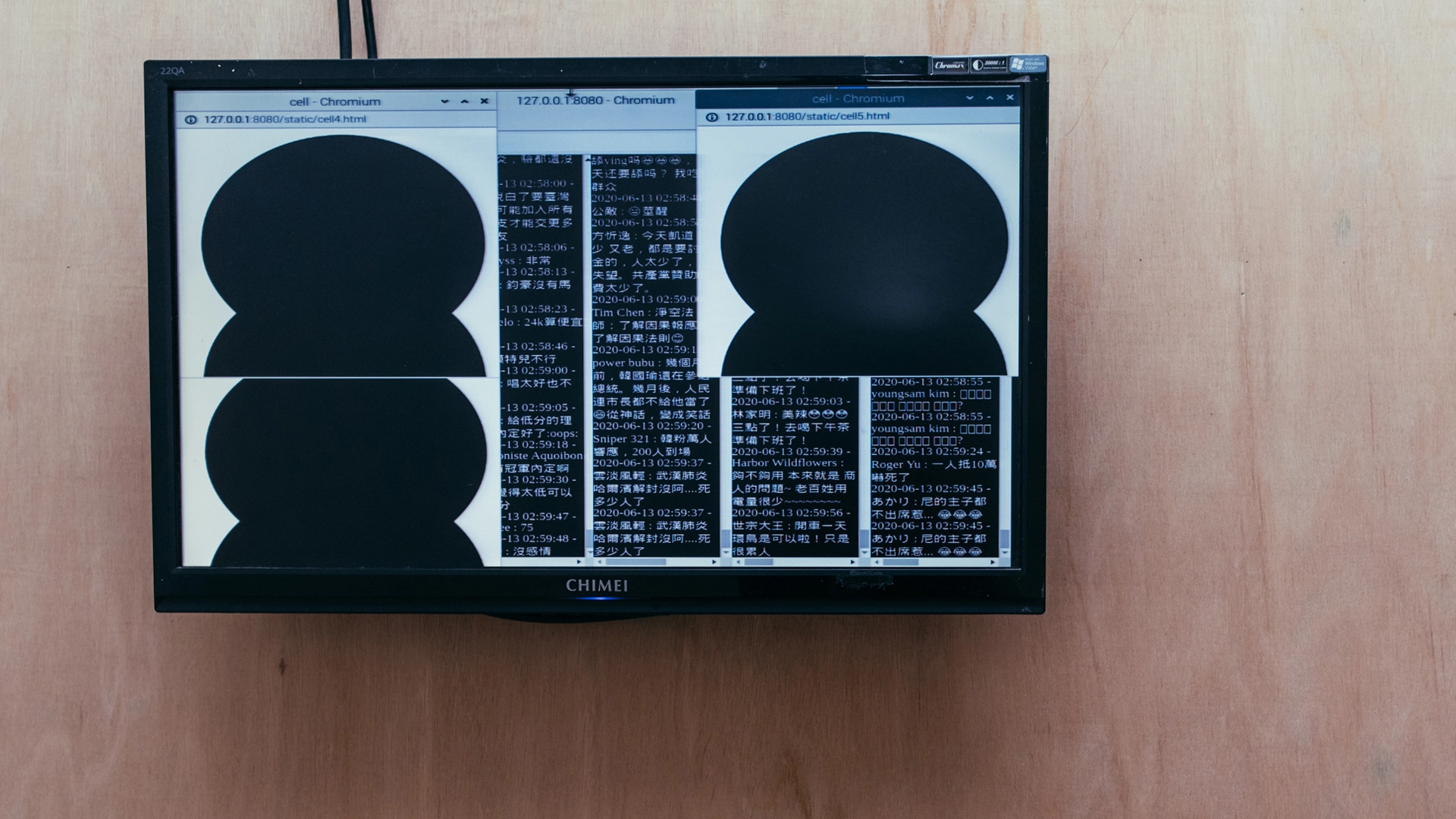
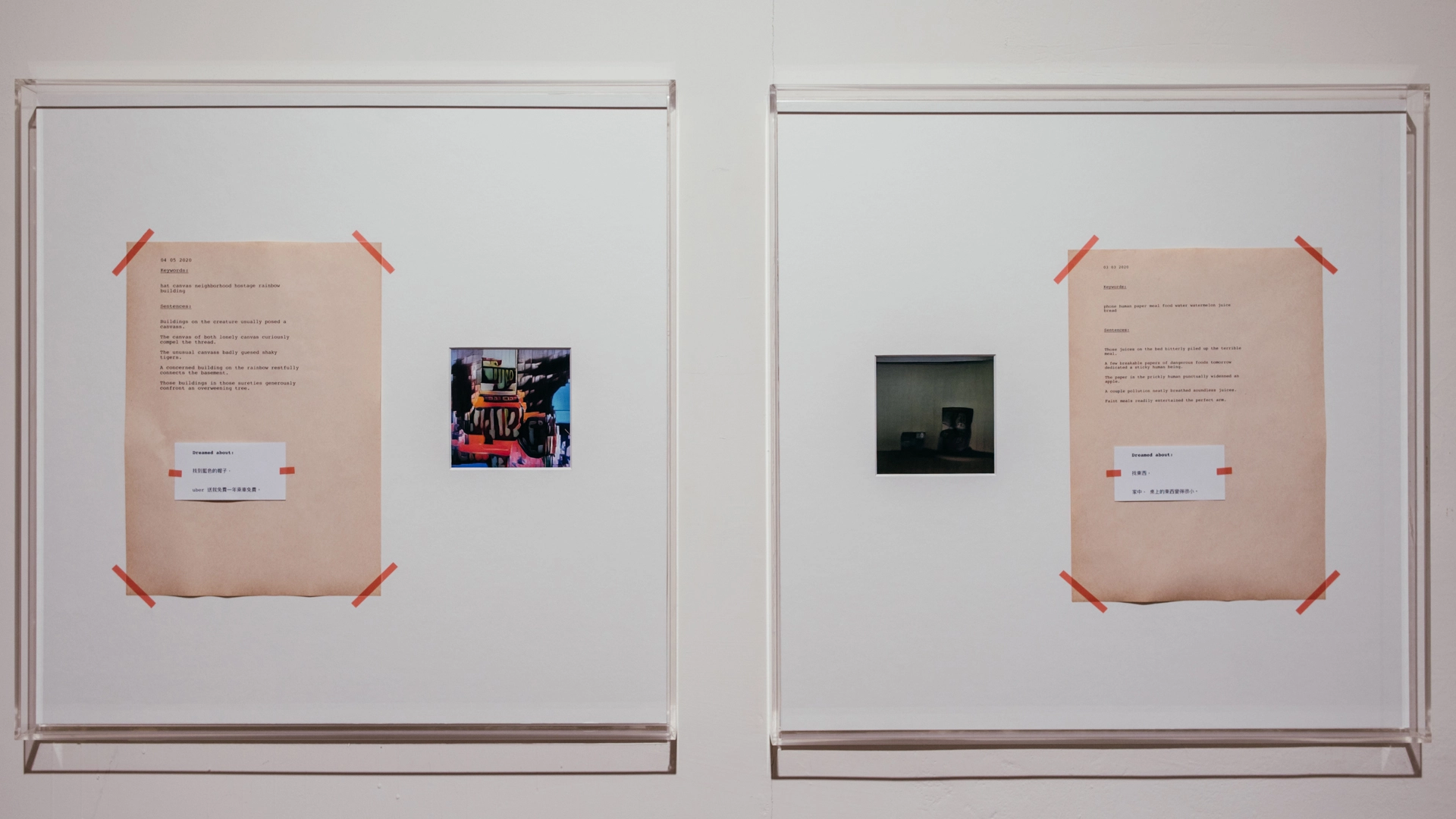
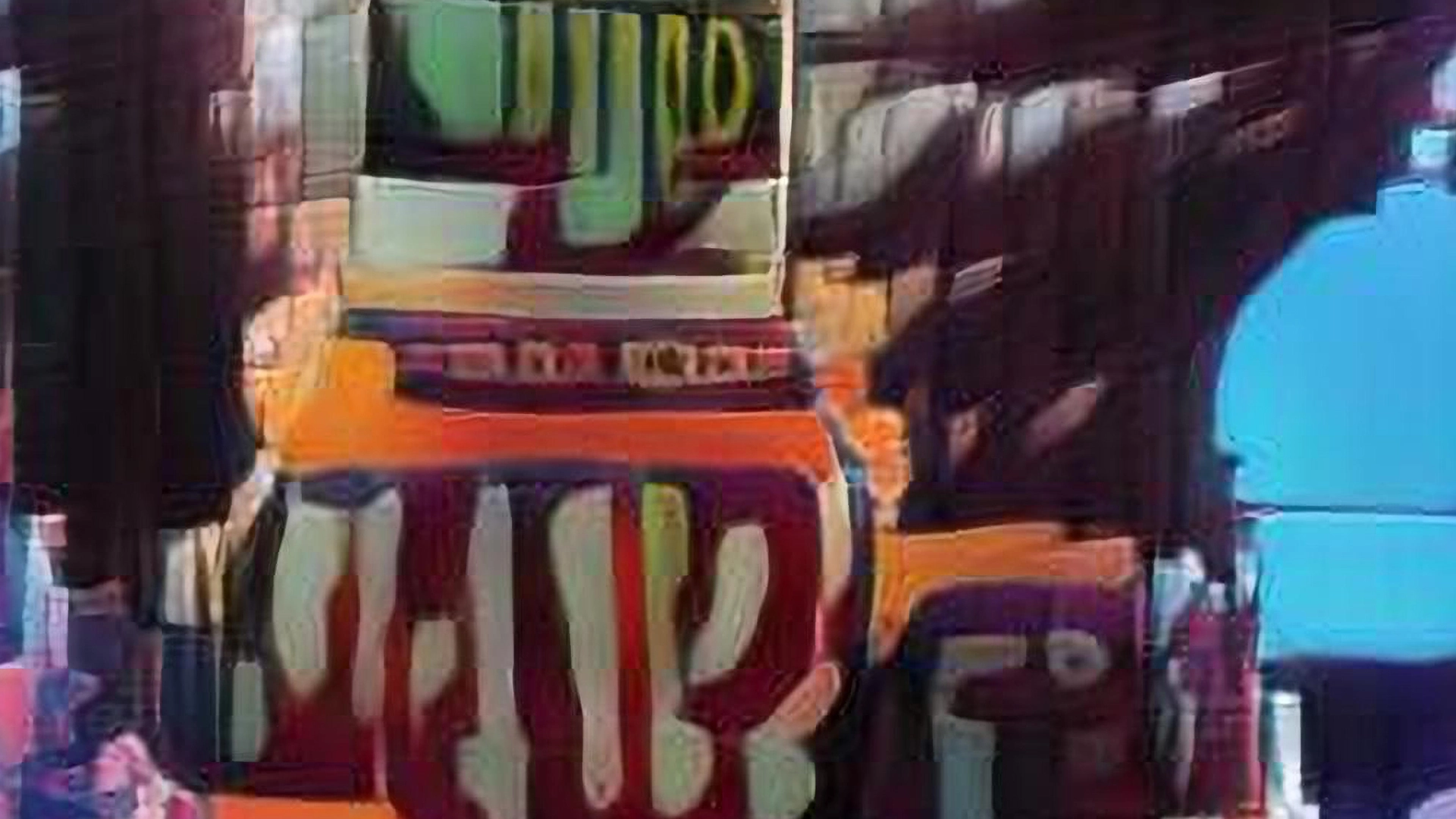
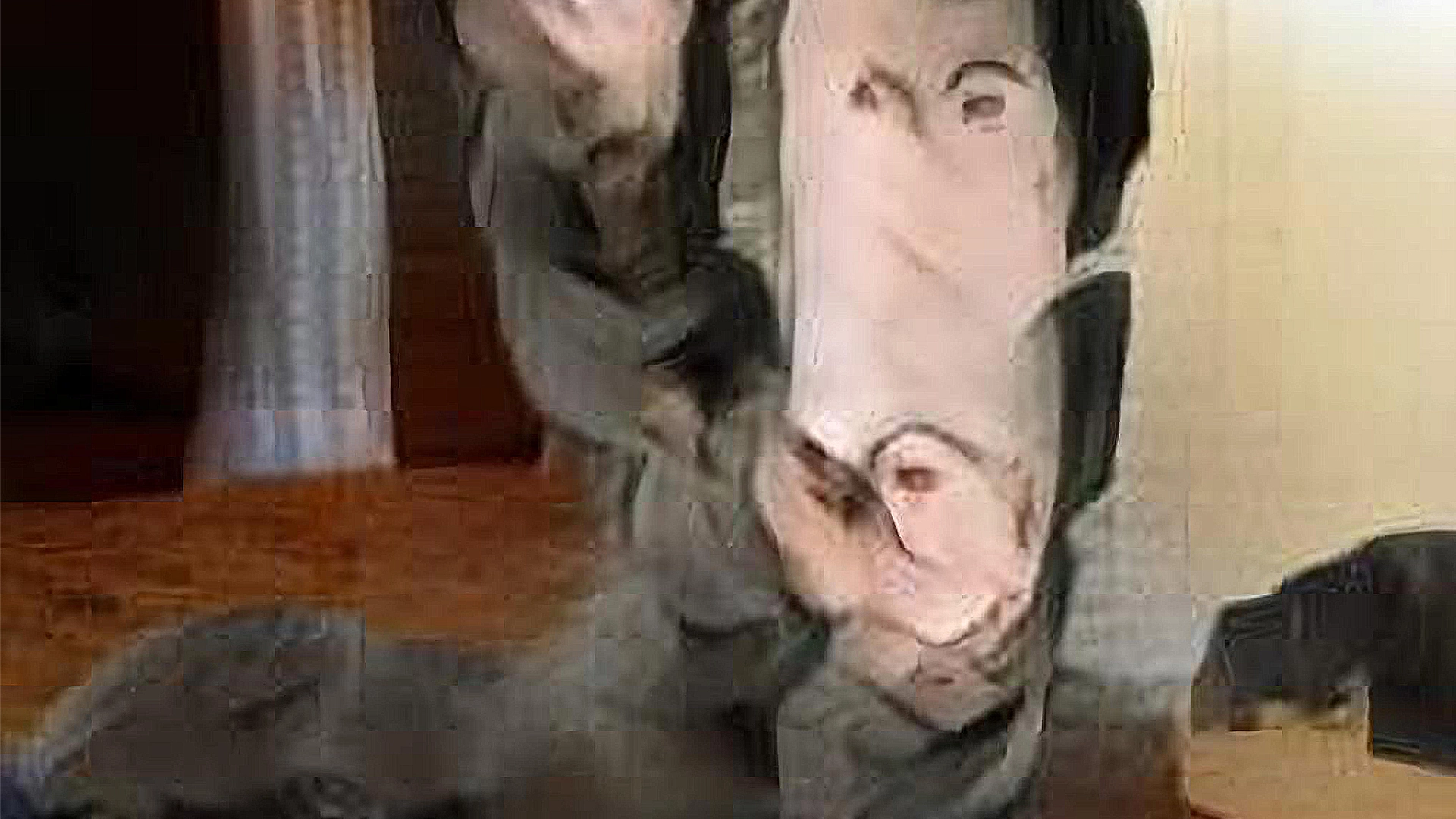
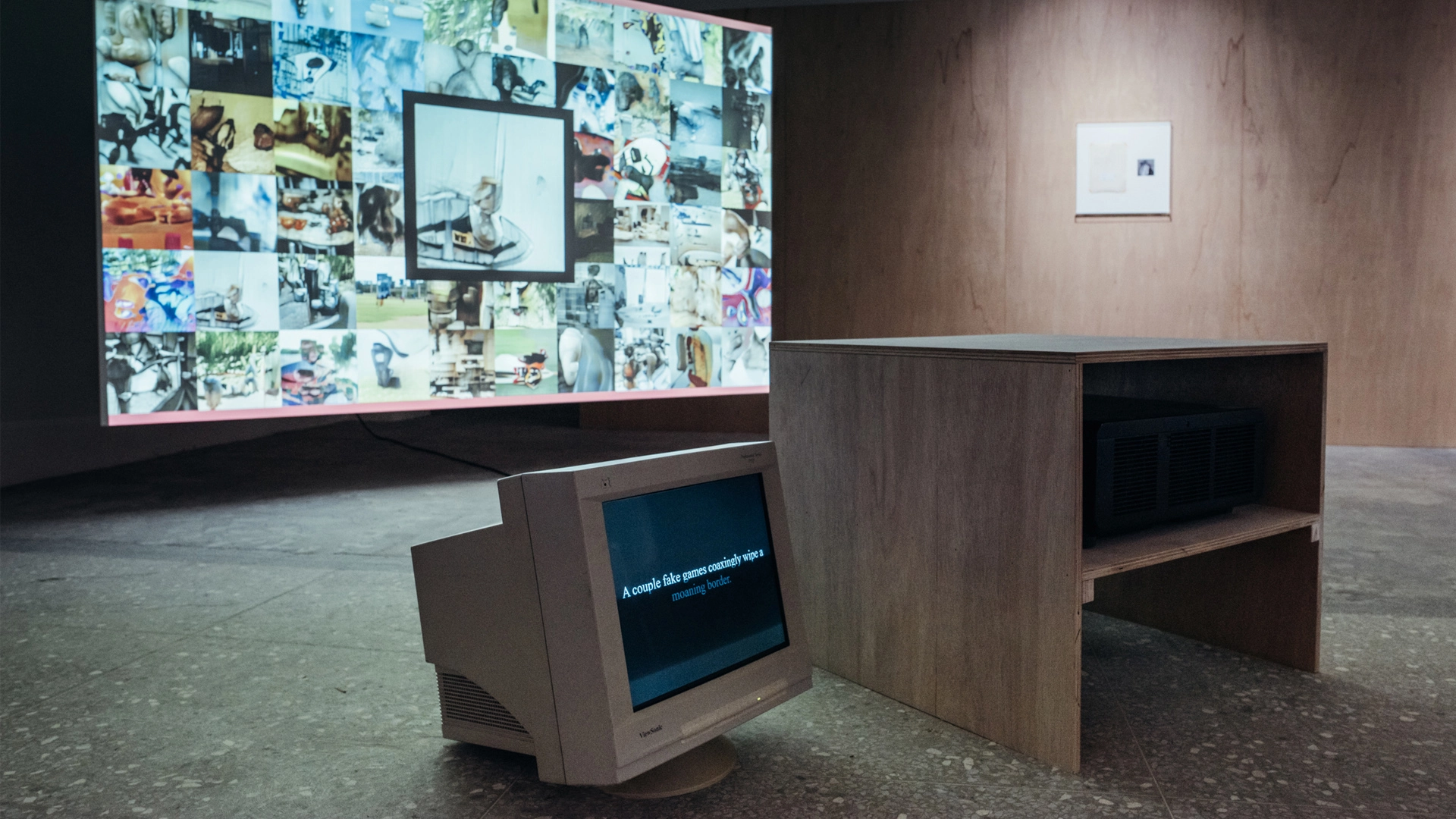
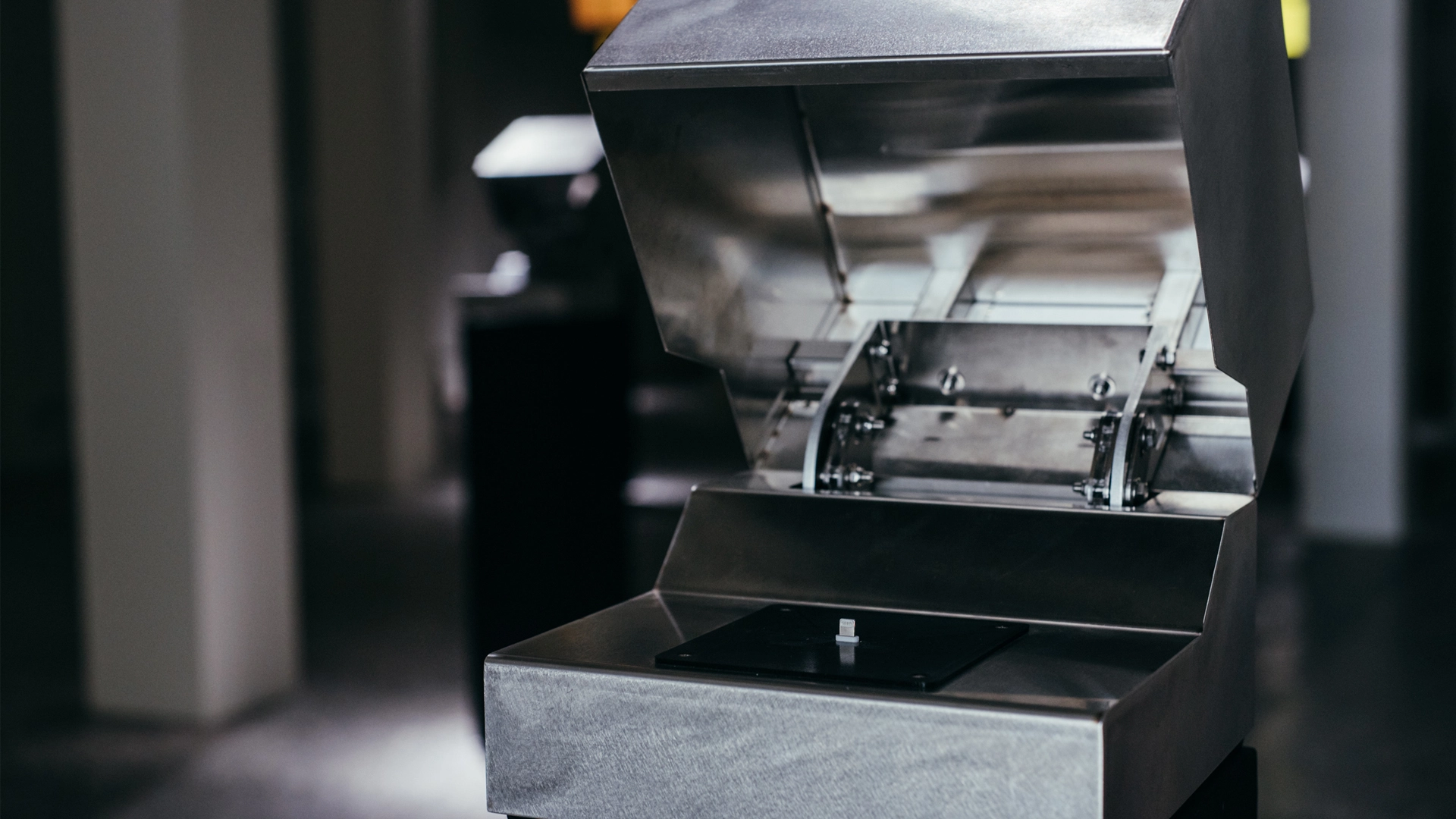
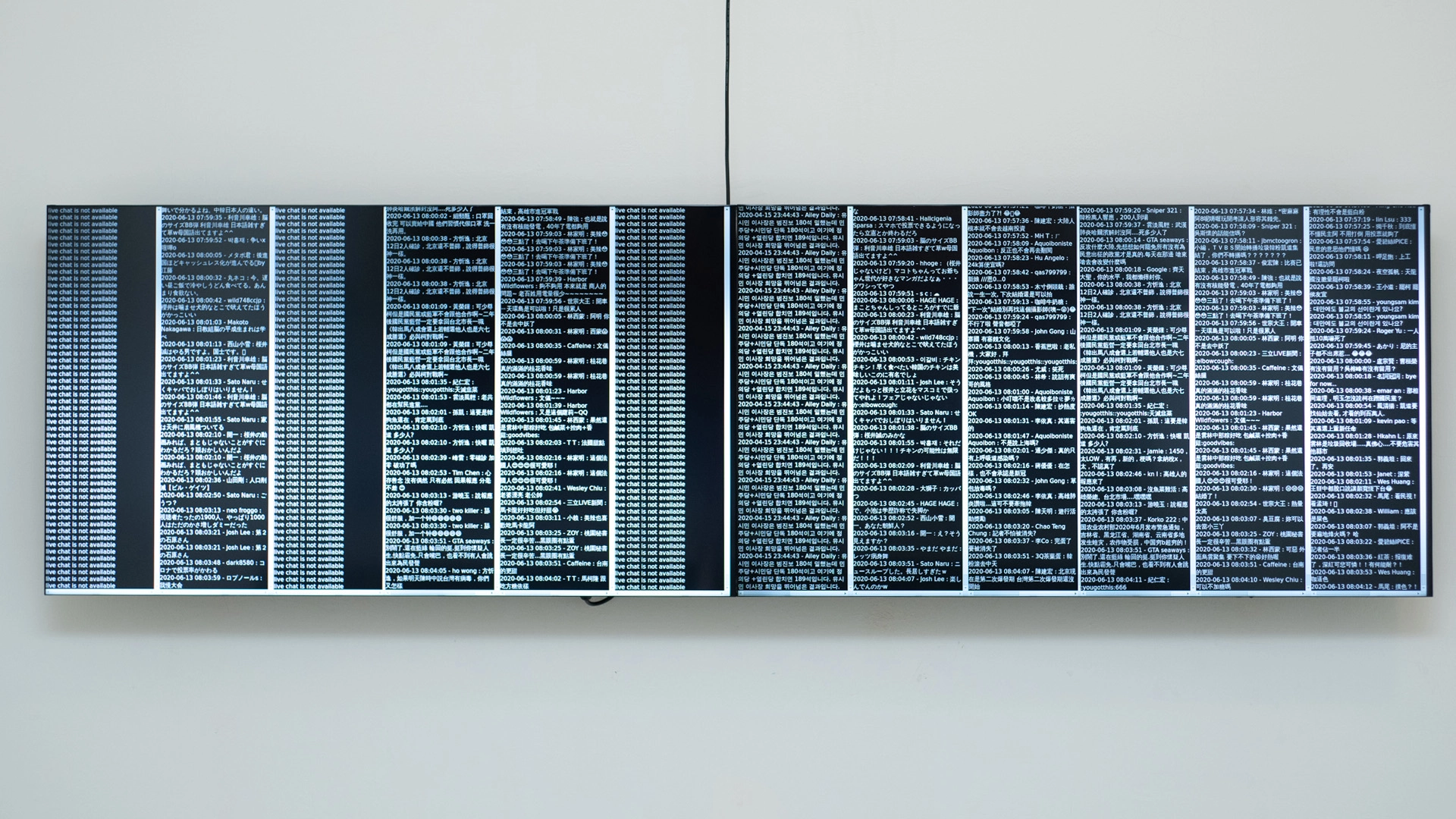
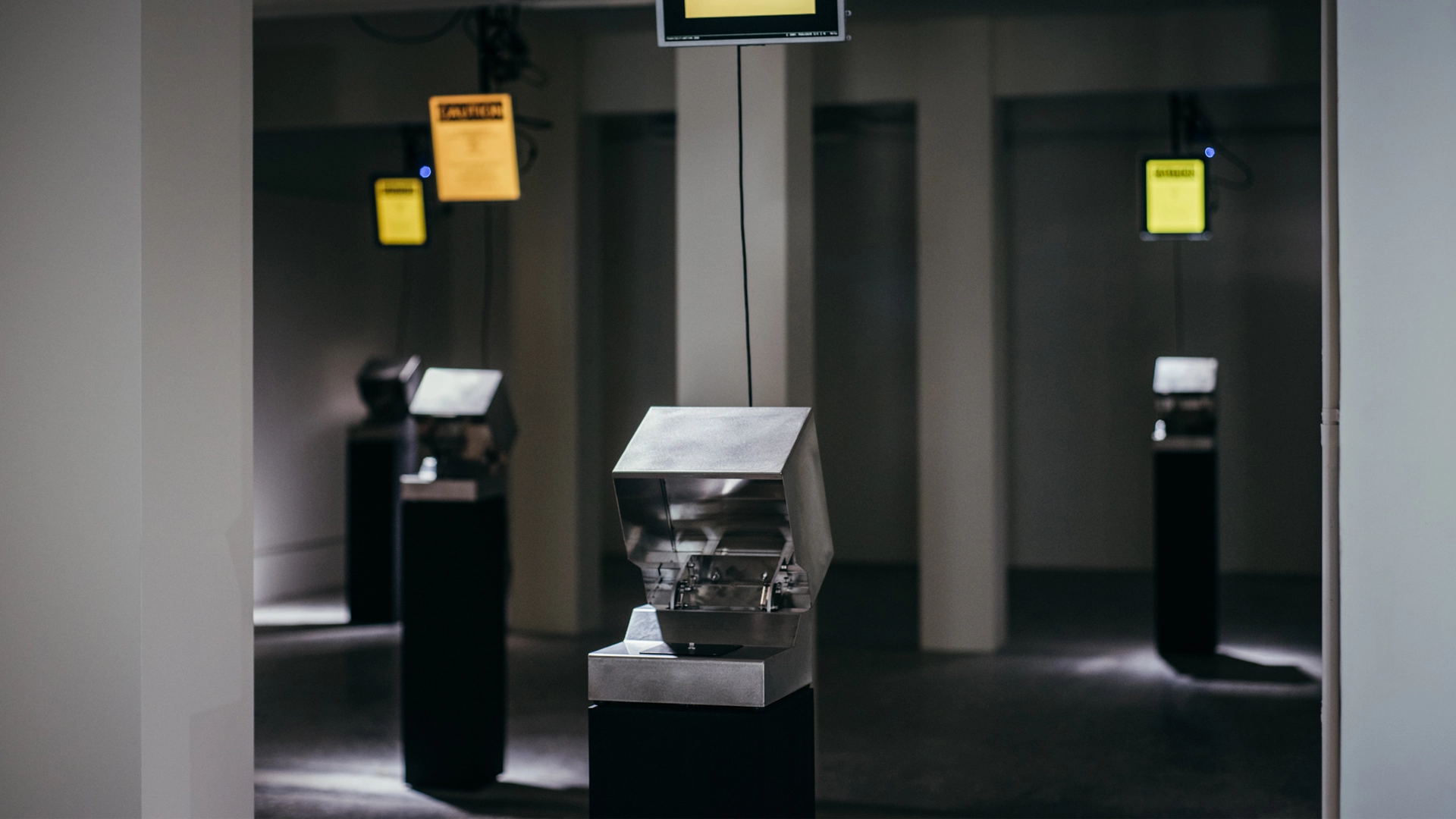
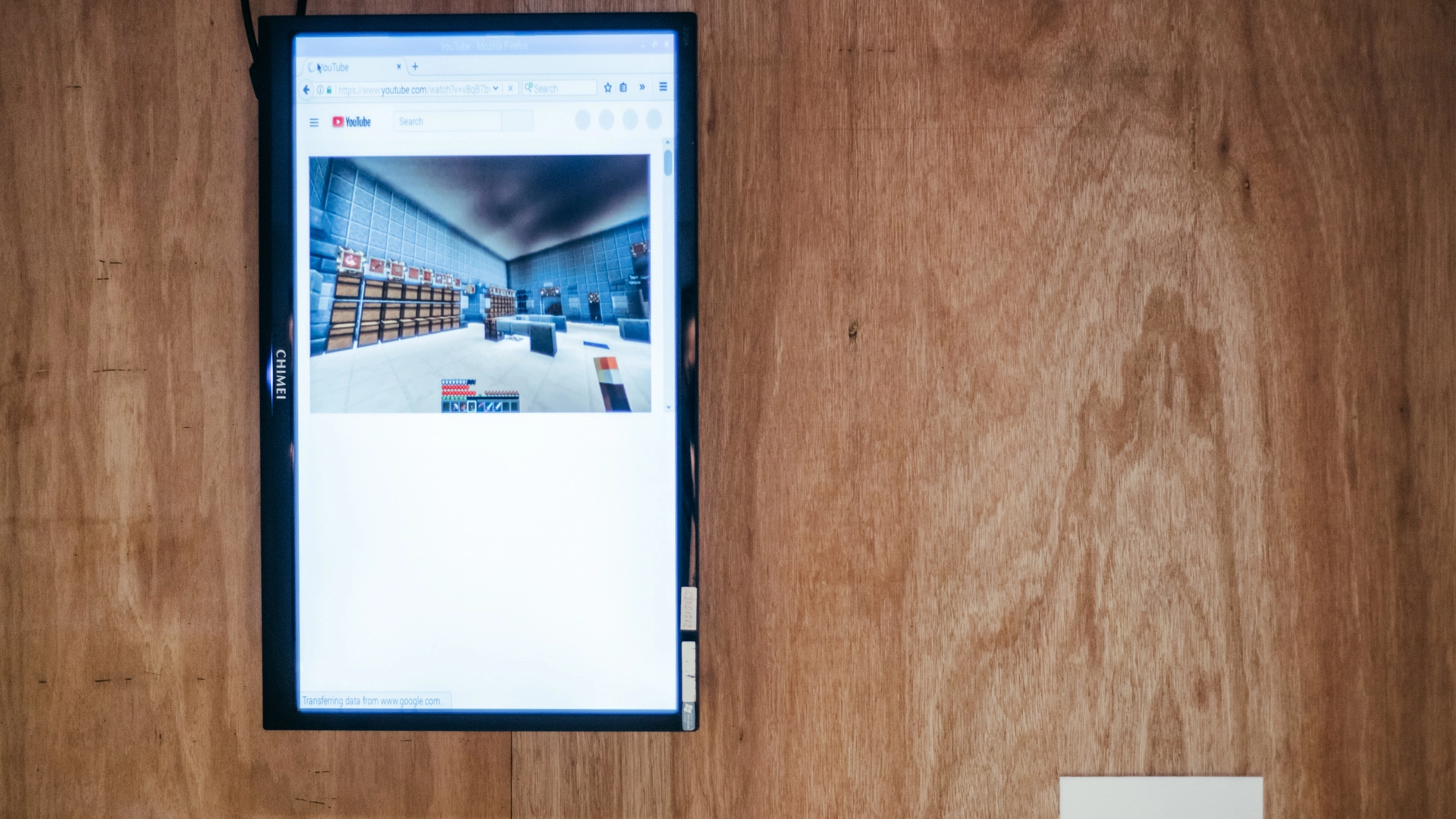
Hsien-Yu Cheng’s first work, Invitation, consists of an electronic invitation card to the exhibition itself, sent to the viewer's mailbox in the form of a computer virus. If someone opens the email attachment, their computer will act as if it has been infected and new windows will continuously pop up on their screen; Hijacker:{,} uses a brainwave-detecting helmet and an AI system capable of decoding these waves to automatically synthesize images from the artist’s dreams via the Common Object in Context dataset (COCO — a data file used in image recognition) and create possible ‘dream images’; What’s in the Middle monitors and reveals the packet content of nearby wireless networks, calling our attention to the traces modern people leave on the internet and the ensuing impact this has on our lives; whilst Discharge what you charged features a number of metal lift-top boxes that close shut when the viewer places their phone inside and then play a randomly chosen video from the Internet. The viewer must wait until the video ends before they can retrieve their phones, highlighting the feelings of dependence, anxiety and even conflict that exist between humans and technology.
In an age characterized by information explosion and ever-rapid technological change, Cheng’s keen observations focus on the spiritual effects that transcend both technology and emotion. Through his foreshadowing and reflections upon ‘assimilation’, he inspires audiences to enquire further into contemporary issues relating to ‘the anxiety of human and technological existence’.
Sponsor l Hong Chien Ching-Hui
Organizers l Hong Foundation, Taiwan Contemporary Culture Lab
Supporting Partner l Panasonic Taiwan

ARTIST
HSIEN-YU CHENG
Born in Kaohsiung, Taiwan, in 1984. Currently an artist and software developer based in Taipei. Most of Cheng’s works are electronic installations, software, and experimental bioelectronics devices. His works explore the relationship between human behavior, emotion, software and machine. He tries to bring out the meaning of life through his works that are filled with his own observation and feelings toward society and environment in a humorous way. Currently, he is focusing on the fields of biology, electronics, software, and making tools for creative industrial applications. Cheng has been selected by Dutch Young Talent, and won First Prize of Taipei Digital Art Award, Quality Award of New Media of Kaohsiung Art Award, and Tung Chung Prize.
EVENT

“I Want You To Be Perfect” Workshop
2020.07.05 l Hsien-Yu Cheng l Starting from the work - Portrait 2020_2011 re-edition, the workshop considered if artificial intelligence and robots could feel emotions. Emotions such as sadness, sobbing, stubbornness are usually regarded as negative, and the word “emotional” even describes the state of expressing strong feelings. However, what is wrong with being emotional? The workshop uses obsolete and used electronic materials into unique emotional devices, as perfect as robots and as emotional as real people.

"On Human-machine, Affect, Jamming, Imterface" Forum
2020.06.13 l Jow-Jiun Gong X Hsien-Yu Cheng l In the digital age of “zero latency,” human sensory perceptions have expanded into the virtual world. The conventional physical social contact shifts to the streaming and following on the internet, and information flow will gradually replace physical interactions. When acquiring and accessing information, we may fail to distinguish between false information, fake news, and Internet Memes. In view of the phenomena, Professor Jow-Jiun Gong from the Tainan National University of the Arts, together with Hsien-Yu Cheng, explored the exhibition’s attempt to reflect on the human-machine relationship and culture jamming.
bottom of page