top of page


2018
TUNG CHUNG PRIZE
GIANT PANDA, DEER, MALAYAN TAPIR AND EAST INDIA COMPANY
CHIA-WEI HSU
2019/04/27 - 06/23

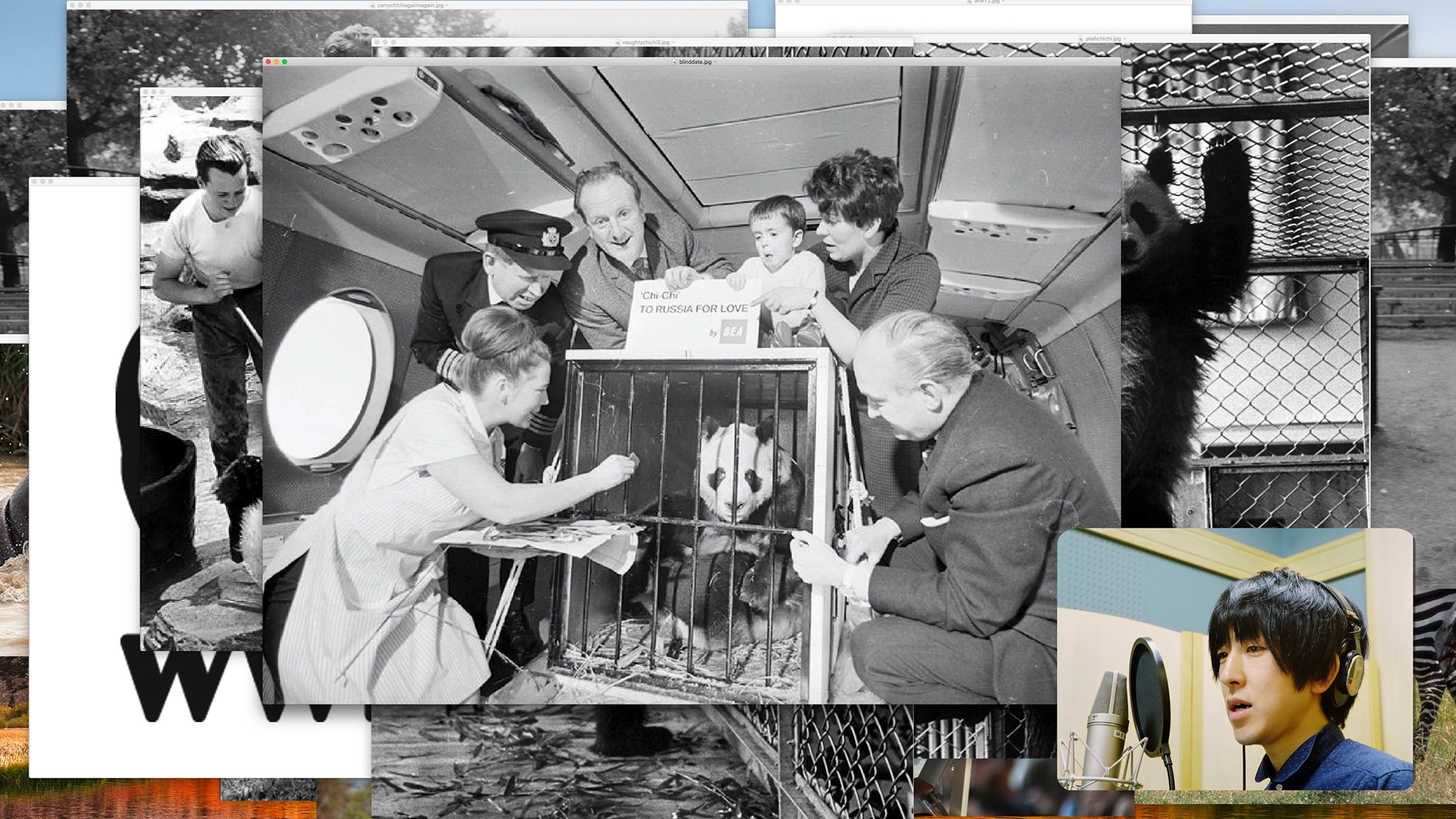
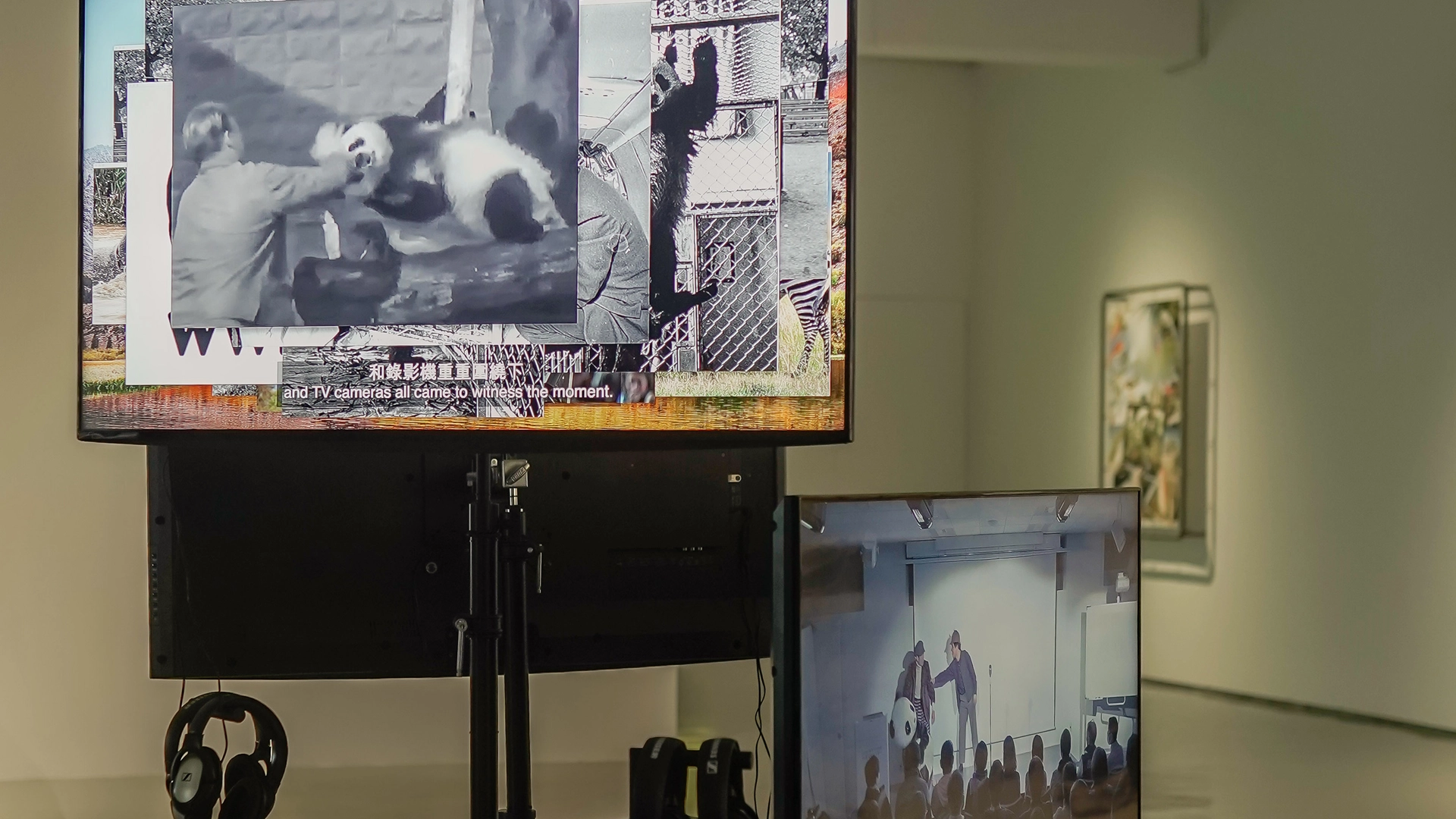
In this work, the artist Chia-Wei Hsu explores history from an animal’s perspective. Beginning with a number of keywords searched online, he dissects the relationship between Taiwan and Asia in terms of historical context and physical geography. Deploying a range of visual narratives, he deconstructs the historical path of both the colonial period and globalization, and links these to East-Asian trade networks. The exhibition combines stories, images, history, religion, manzai comedy performance, and journalistic news reports to present a cross-cultural perspective that looks beyond the context of Taiwan, and forms a springboard from which we can reflect upon history.

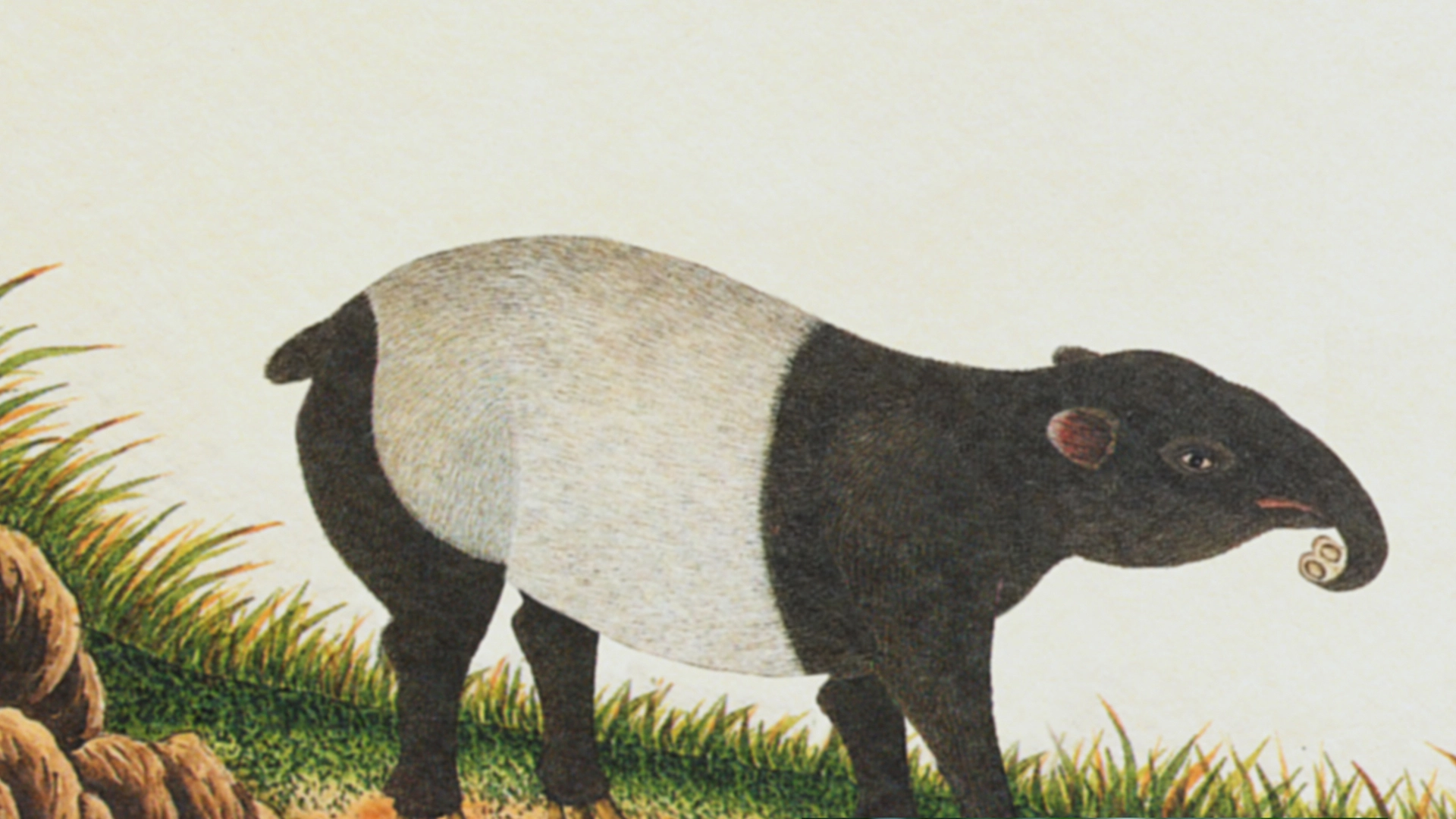
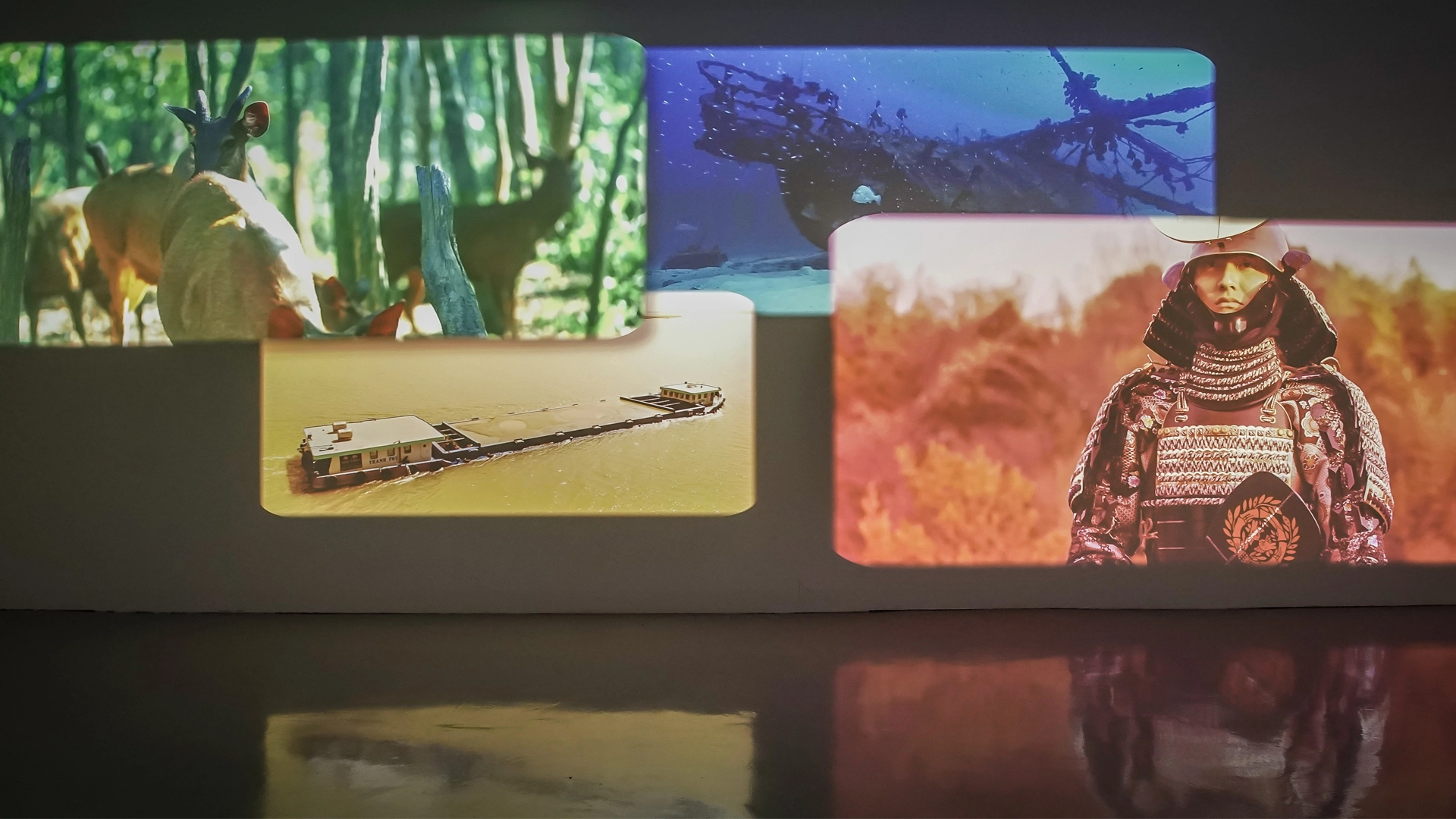
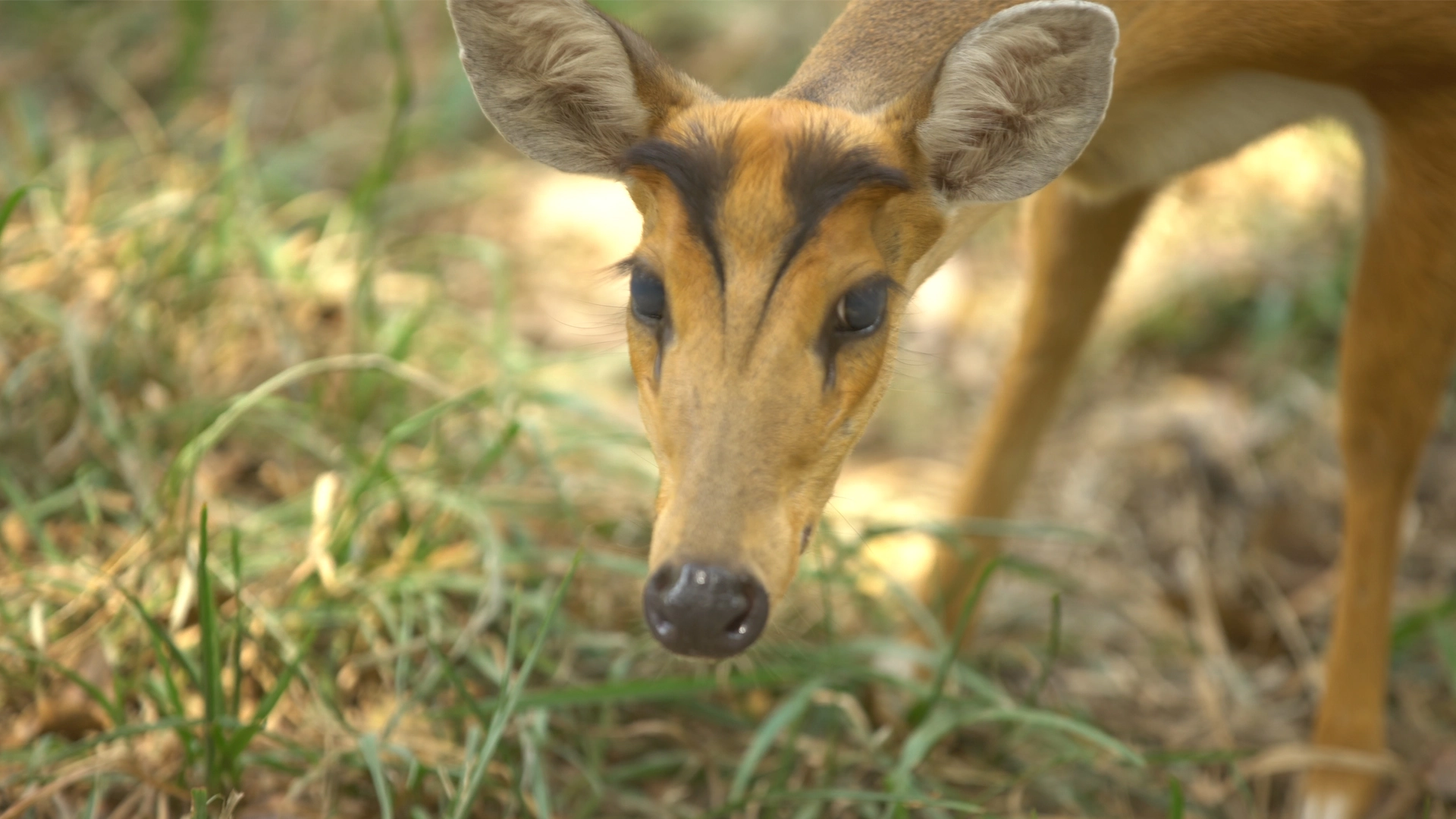
After filming had wrapped on The Story of Hoping Island (2008), Chia-Wei Hsu discovered by chance that the remains of 17th century Fort Noord-Holland lay beneath the boat factory he had been filming in. This sparked the artist’s interest in exploring the complex networks of the Dutch East India Company, and led him to begin piecing together various interrelated events that connect Ho Ping Island to the wider Asian colonial period. From within this context, with animals serving as narrative threads, he traced the historical and political journeys of three of those species — the giant panda, the Malayan tapir, and deer — to cast a light on how animals played a part in the construction and shaping of alternative East Asian trade networks. Working his way from animal appreciation and viewing, conservation, and labor, through to animal diplomacy and trade, Hsu highlights the dense web of relationships that connect modern Taiwan, China, Singapore, Cambodia, and Japan.
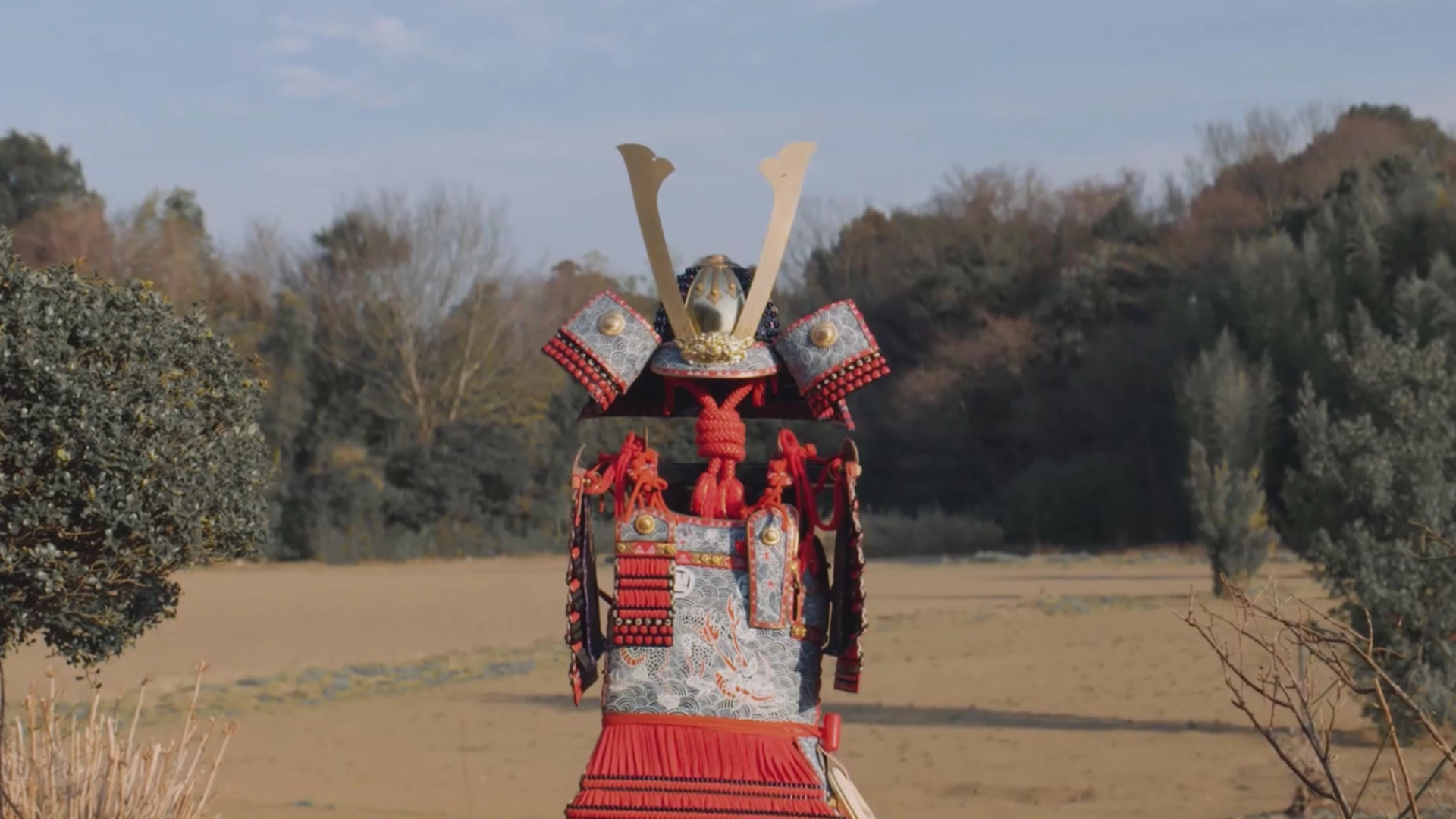
As the world’s first public limited company, the Dutch East India Company became a key player in developing the colonial trade network between Asian coastal regions from the 17th century onwards by introducing the concept of 'bartering'. Black and White-Giant Panda thus tackles the international influence of animal diplomacy; Black and White-Malayan Tapir addresses the conflict surrounding the encyclopedic mapping and naming of the world’s flora and fauna; and Samurai and Deer appropriates the concept of the Internet of Things (IoT) — the smart linking of objects in today’s digital era — to revisit and reimagine colonial networks as an alternative ‘bartering’ Internet of Things. By doing so, Hsu allows audiences to view these subjects through contemporary lenses, whilst simultaneously drawing connections between the present moment and the embryonic stages of today’s globalization.
Lead Sponsor|Hong Chien Ching-Hui
Organizers|Hong Foundation, MoNTUE
Sponsor|LIANG Gallery
Supporting Partner|Panasonic Taiwan


ARTIST
CHIA-WEI HSU
Chia-Wei Hsu, born 1983, is an artist and curator. His artistic practice focuses on the action behind the creation of images, and connects the relationships between people, materials, and places that have not been described in history by establishing the events beyond the camera lens. His solo exhibitions include ‘Industrial Research Institute of Taiwan Governor-General’s Office’ at Liang Gallery in Taipei and Huai Mo Village at Hong-gah Museum in Taipei having won the 15th Taishin Arts Award. His joint exhibitions include the 2018 Biennale of Sydney at the Museum of Contemporary Art Australia, ‘2 or 3 Tigers’ at the House of the World’s Cultures in Berlin, and the Taipei Biennale 2016 at the Taipei Fine Arts Museum. Hsu’s past curation efforts include ‘Taiwan International Video Art Exhibition – Offline Browser’ and ‘ThaiTai: A Measure of Understanding’, etc.
EVENT

“Looking At The Past Colonial Trade Network From Today's Internet-of-things” Forum
2019.06.22 l Chia-Wei Hsu X Enkaryon l Animals, in addition to being trade objects, are also regarded as a means of information exchange and ideology dissemination. In the exhibition ‘Giant Panda, Deer, Malayan Tapir and East India Company’, the animal replaces humans to lead as the protagonist of historic events and takes on a mission to connect human beings and the outside world. In contrast to today’s Internet-of-Things technology where things can instantly connect with each other, the “connected” trade network was already established between Taiwan and Southeast Asia as early as the colonial period. Following the animals’ footprints, the artist would explore the causal relation between politics, diplomacy, and natural sciences in East Asia during the colonial era as a result of trade. The forum also invited art critic Enkaryon to join the panel and to discussed with the artist the significance of trade at the colonial era under the modern day Internet-of-Things concept. They would attempt to loosen the established framework to inspire more discussion on history by analyzing big data and images searched from the keywords.
bottom of page